
My Amateur Radio Station
The radios, equipment, and communications capabilities behind WB2EHG
My amateur-radio station is built around practical VHF, UHF, DMR, and APRS communications. From my 17th-floor apartment in Brooklyn, New York City, I use handheld radios, a digital hotspot, computer applications, and several antennas to communicate locally and around the world.
The BridgeCom Maverick is my primary handheld transceiver. It supports analog FM, DMR, GPS, analog and digital APRS, and Bluetooth connectivity, making it my most versatile and frequently used radio. Several AnyTone and TIDRADIO handhelds provide additional operating, testing, and backup options.
Apartment living presents some interesting challenges for an amateur-radio operator—especially without an outdoor antenna. My station continues to evolve as I experiment with different radios, antennas, digital networks, and operating methods while developing equipment and skills that can also support emergency communications.
The BridgeCom Systems Maverick
The BridgeCom Systems Maverick is the primary radio in my station. It is a dual-band VHF/UHF handheld transceiver that combines analog FM and DMR operation with GPS, analog and digital APRS, Bluetooth connectivity, and a large contact database.
For local communications, I use the Maverick on amateur-radio repeaters and simplex frequencies. Through DMR repeaters and my HamSpot 5 digital hotspot, it connects me with talkgroups and amateur-radio operators around the world.
The Maverick also plays a central role in my APRS experimentation. I use it for analog position beaconing on 144.390 MHz, BrandMeister DMR APRS.
Its combination of voice, location reporting, digital networking, and computer connectivity makes the Maverick more than my everyday handheld—it is the centerpiece of my evolving station.
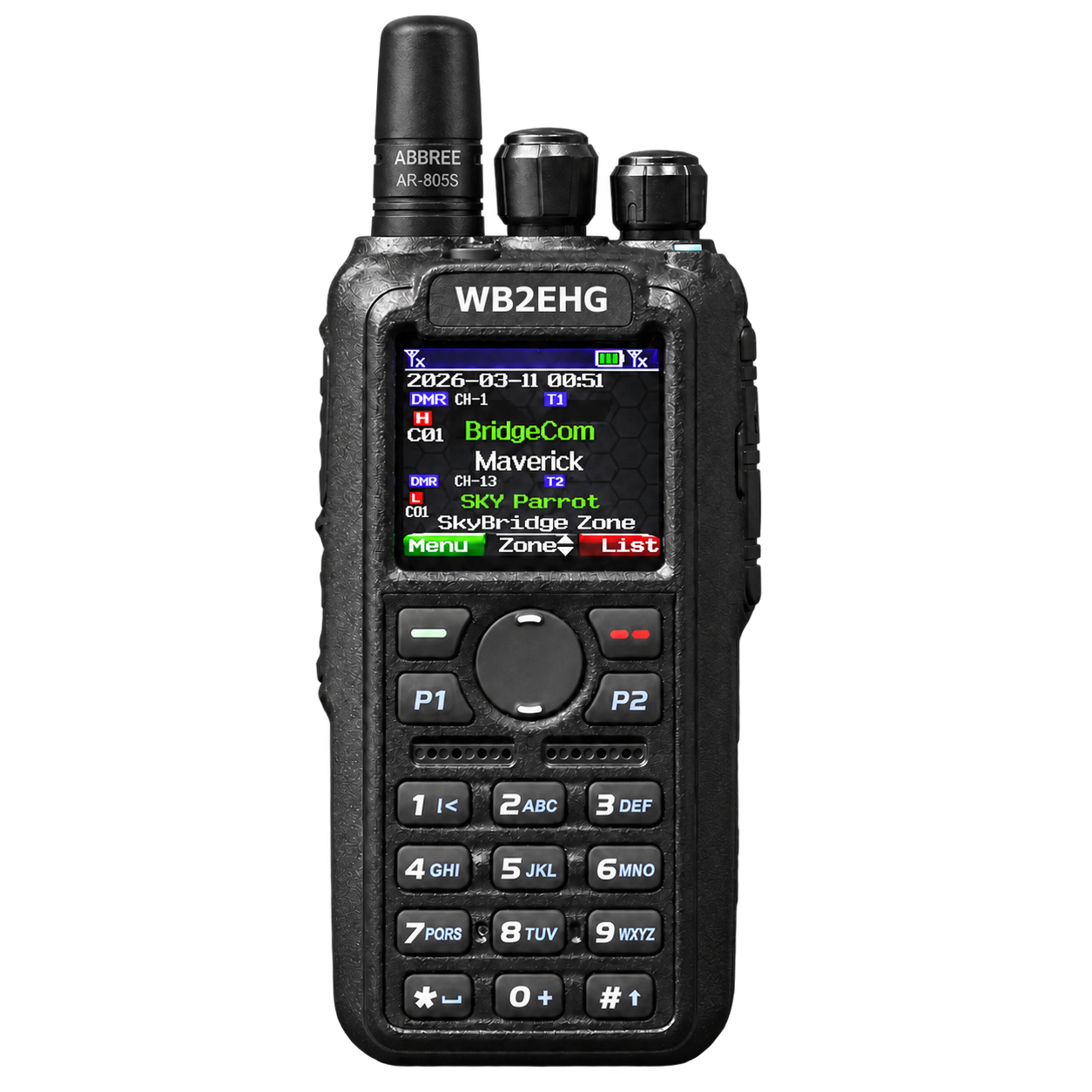
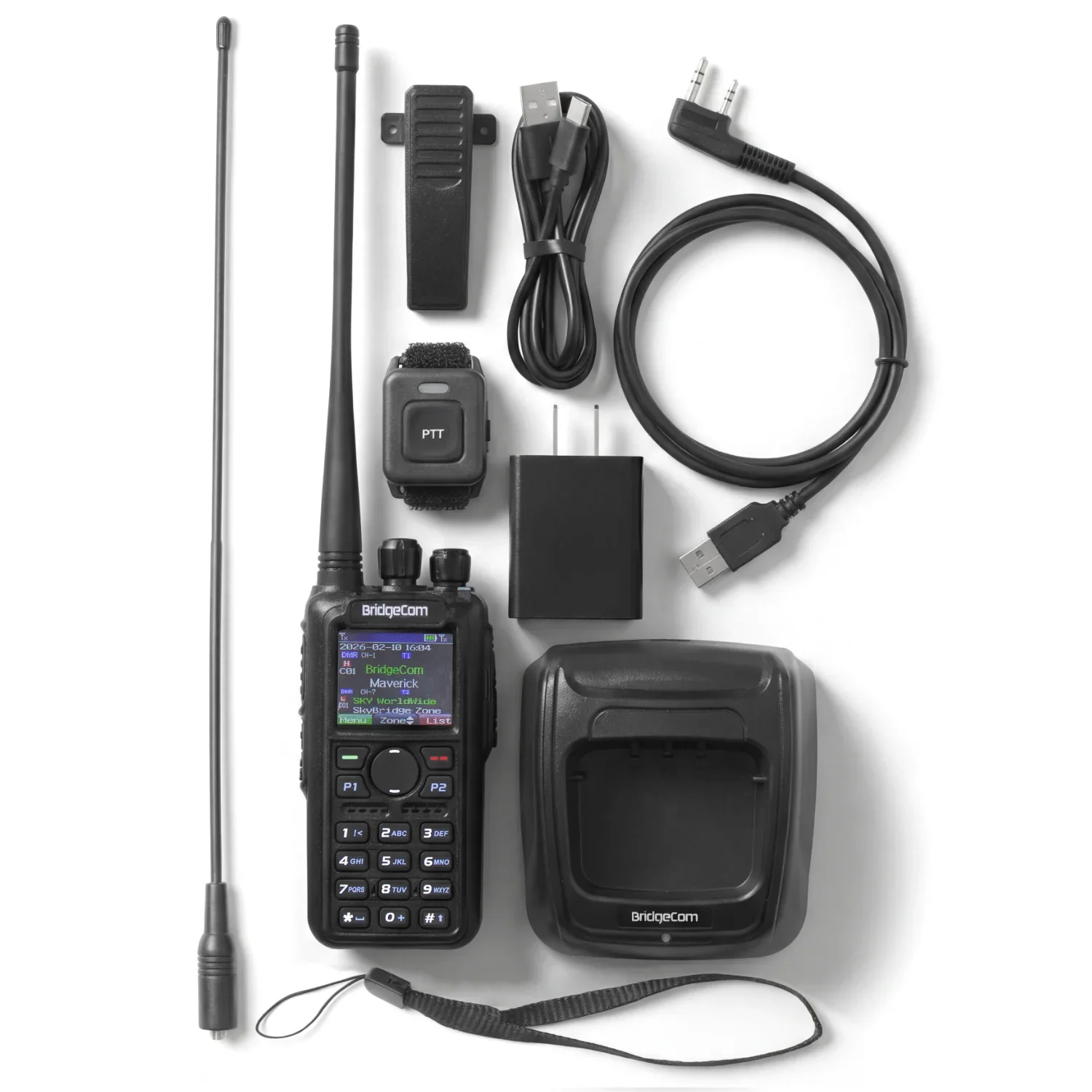
The BridgeCom Systems Maverick—my primary handheld transceiver.
Images courtesy of BridgeCom Systems.
My Digital Hotspot
My HamSpot 5 digital hotspot gives me reliable access to DMR networks from home. It creates a low-power radio connection between my handhelds and the internet, allowing me to reach BrandMeister talkgroups and communicate with amateur-radio operators around the world.
The hotspot is configured for private, simplex operation and runs WPSD, a web-based system that allows me to control its operating modes, talkgroups, and other settings. I primarily use it with the BridgeCom Maverick and AnyTone AT-D168UV.
A hotspot does not replace amateur-radio repeaters or direct radio communication. Instead, it provides another path into the wider digital-radio network—particularly useful from my Brooklyn apartment when a suitable DMR repeater is unavailable or inconvenient.
The HamSpot also contributes to my APRS station through the identifier WB2EHG-D, providing another connection between my DMR activity and the APRS network.
While my HamSpot 5 is temporarily offline for repair and awaiting replacement parts, I’m using my HamSpot 4 as my active digital hotspot. Once the repair is complete, the HamSpot 5 will return to primary service.
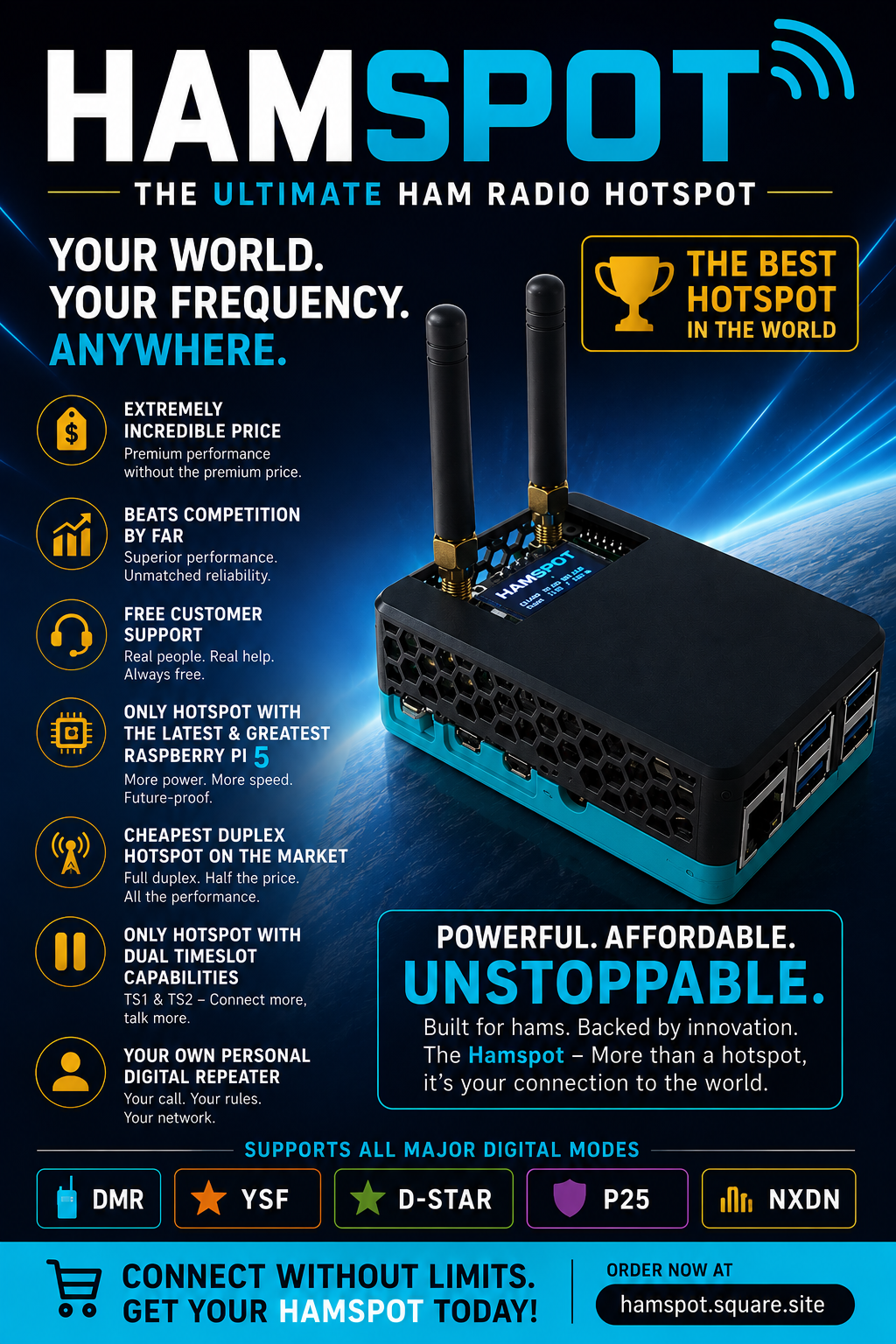
The HamSpot 5—my private digital hotspot for DMR operation.
Image courtesy of Ham Made Products.
QSO One
QSO One is an amateur-radio application in development that brings several digital and internet-linked communication systems together in a single operating console.
As an early volunteer beta tester, I have used QSO One with AllStarLink, EchoLink, DMR, M17, and Yaesu System Fusion. Testing the application gives me an opportunity to experiment with these systems while providing practical feedback based on everyday operation.
QSO One does not replace my handheld radios, hotspot, or traditional radio-frequency communications. It provides another path into amateur radio—one that combines computers, digital networks, and radio-linked systems in a way that makes experimenting with different modes much easier.
For me, QSO One represents an exciting part of amateur radio’s continuing evolution. It shows how established networks and emerging digital modes can be brought together while preserving the most important part of the hobby: making meaningful connections with other operators.
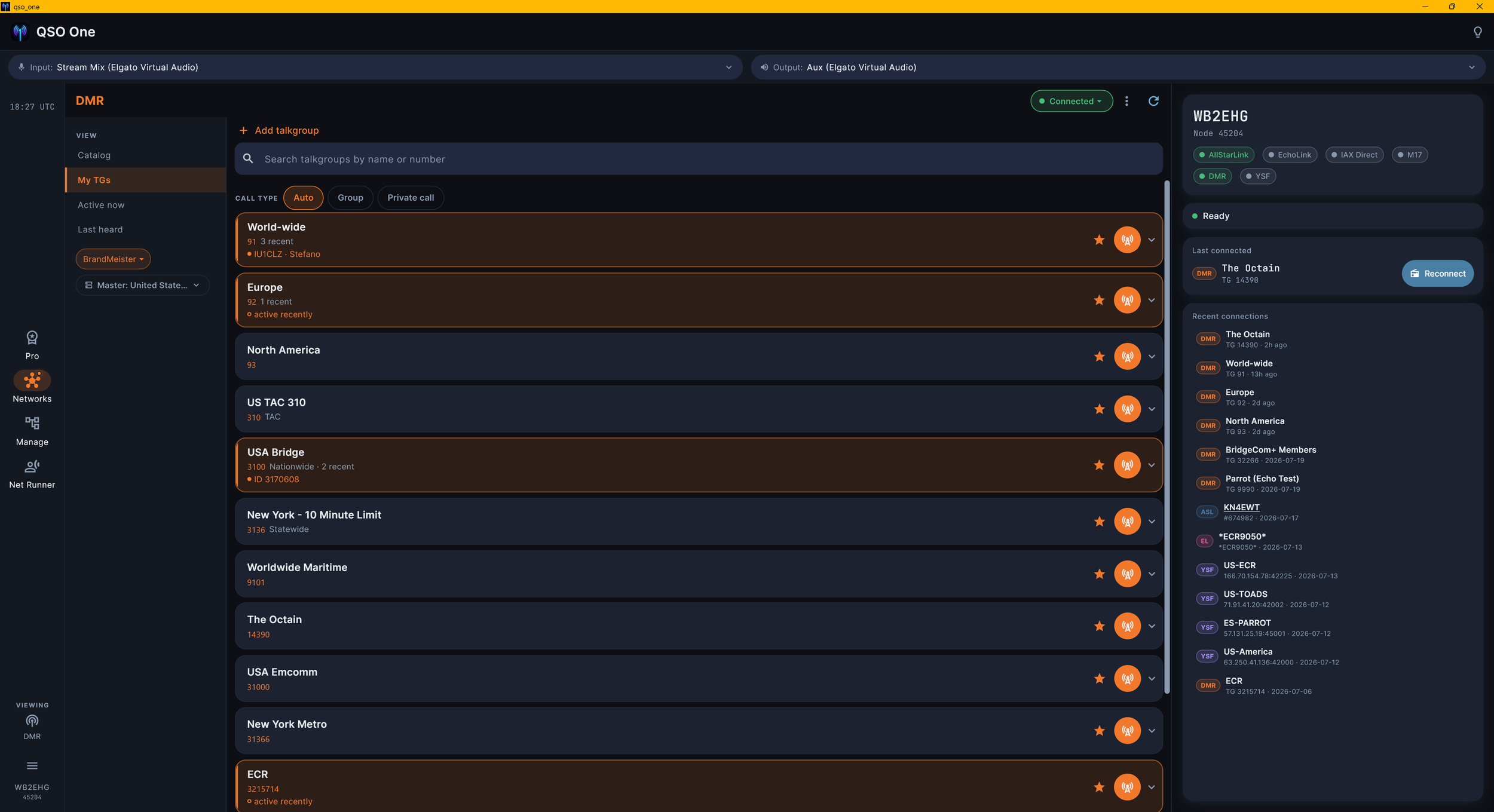
QSO One brings multiple amateur-radio communication networks together in one operating console.
My Other Handheld Radios
AnyTone AT-D168UV
The AnyTone AT-D168UV is my secondary DMR and analog handheld. Compact and dependable, it is especially useful for monitoring worldwide DMR activity—including TalkGroup 91—and serves as a capable alternative whenever my BridgeCom Maverick is handling another assignment.
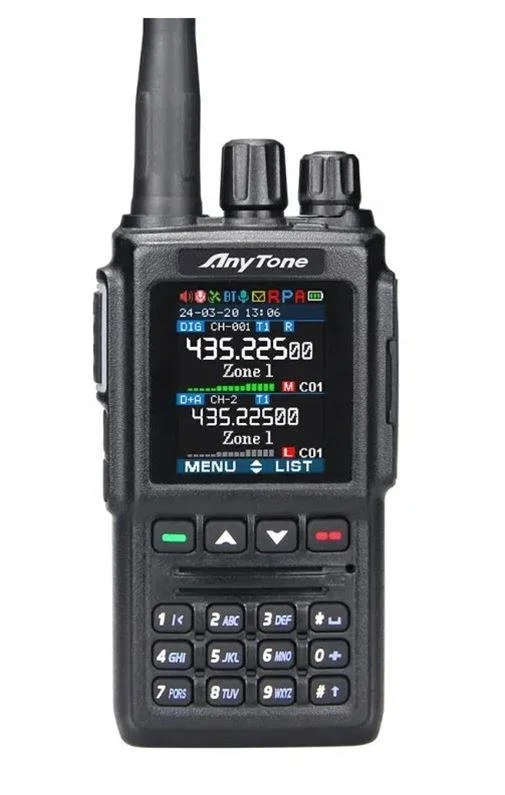
.AnyTone AT-D168UV—my secondary DMR and analog handheld.
Image courtesy of AnyTone.
TIDRADIO TD-H9
The TIDRADIO TD-H9 is a versatile analog handheld that I use primarily for APRS experimentation and as a dependable backup radio. Its built-in GPS and APRS capabilities make it useful for position reporting, while its dual-band coverage gives me another practical option for local repeaters and simplex communication.
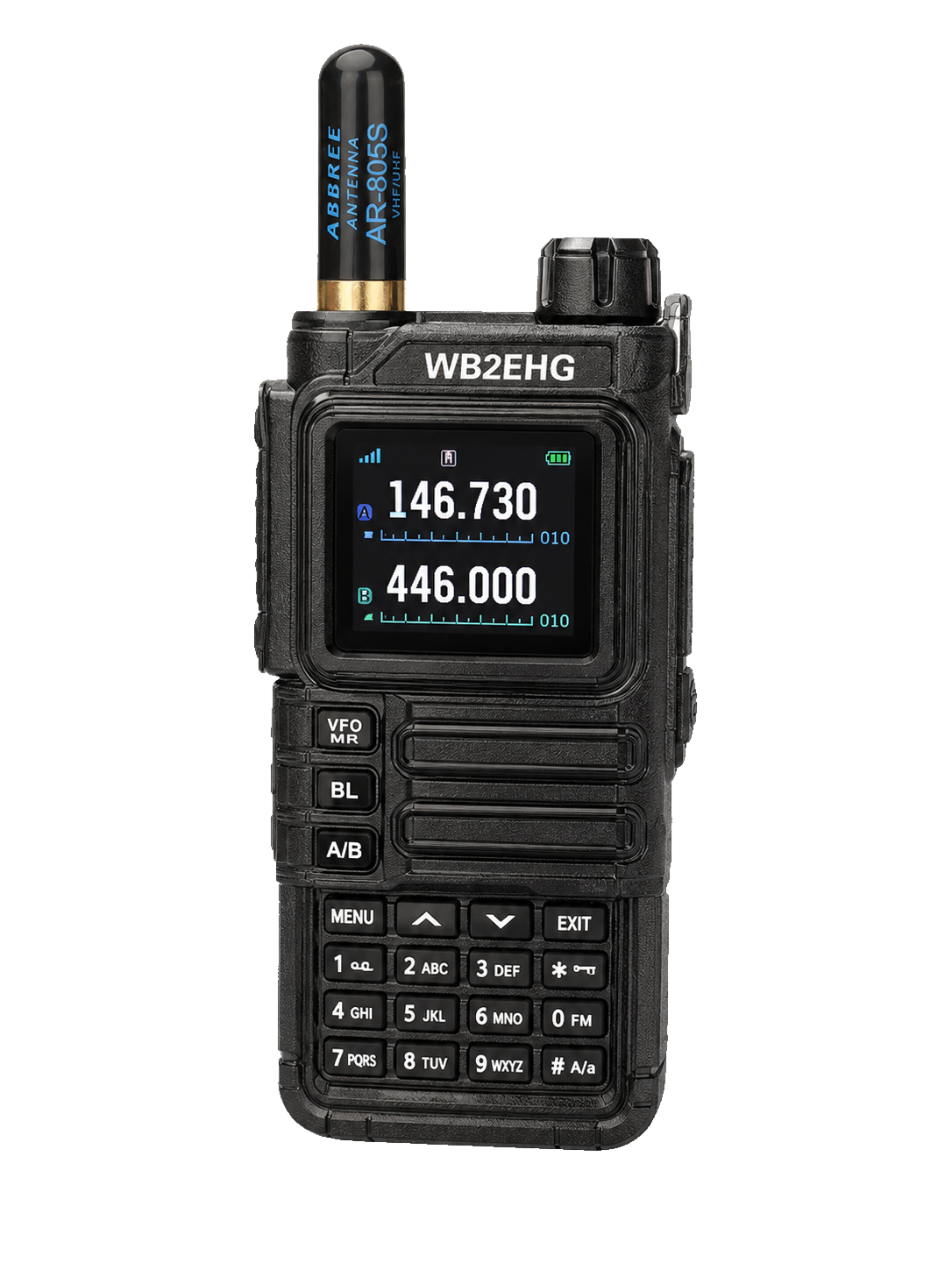
TIDRADIO TD-H9—used for APRS experimentation and backup analog operation.
AI Image generated by ChatGPT or my actual radio
TIDRADIO TD-H8 3rd Gen
The TIDRADIO TD-H8 3rd Gen is another capable dual-band analog handheld in my station. Programmed with my usual local repeaters, simplex channels, calling frequencies, the ISS downlink, and NOAA weather channels, it provides a dependable option for everyday monitoring and local communication.
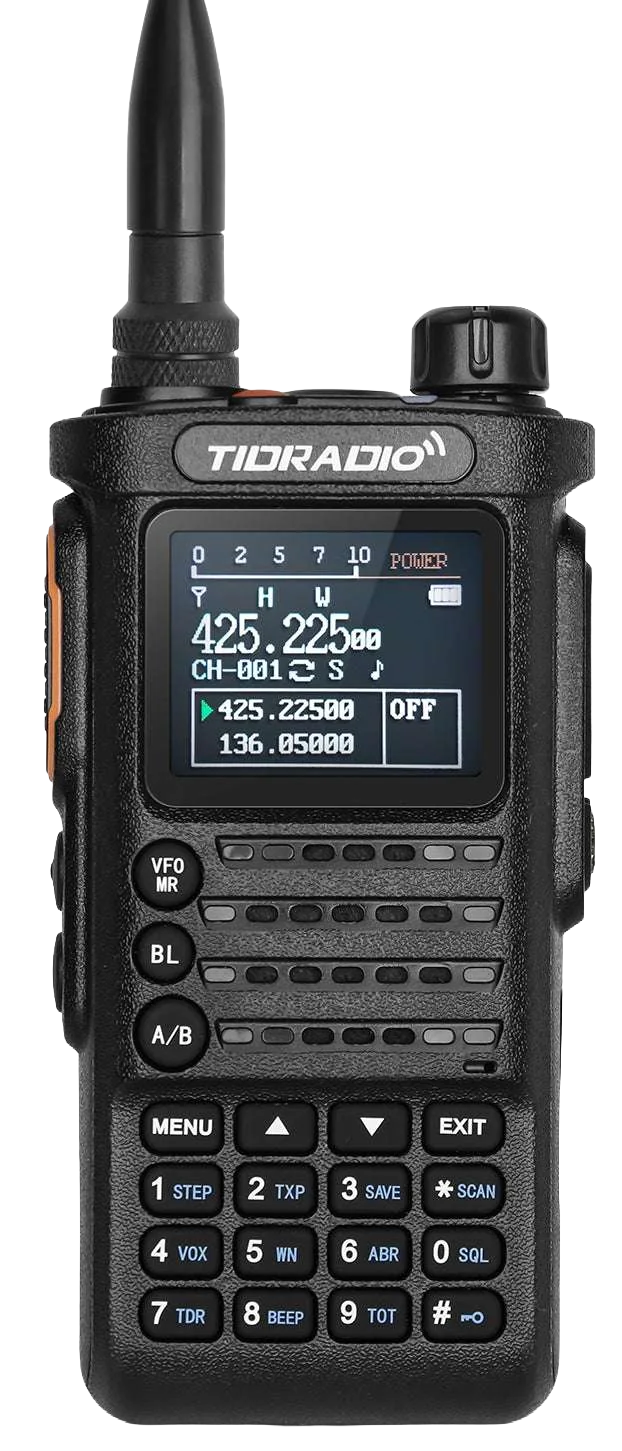
TIDRADIO TD-H8 3rd Gen—used for local communication and monitoring.
Image courtesy of TIDRADIO.
TIDRADIO TD-H3
The TIDRADIO TD-H3 is a compact dual-band analog handheld that I use as an affordable and easy-to-carry backup. Programmed with local repeaters, simplex and calling frequencies, the ISS downlink, and NOAA weather channels, it is a practical little radio for monitoring and everyday communication.
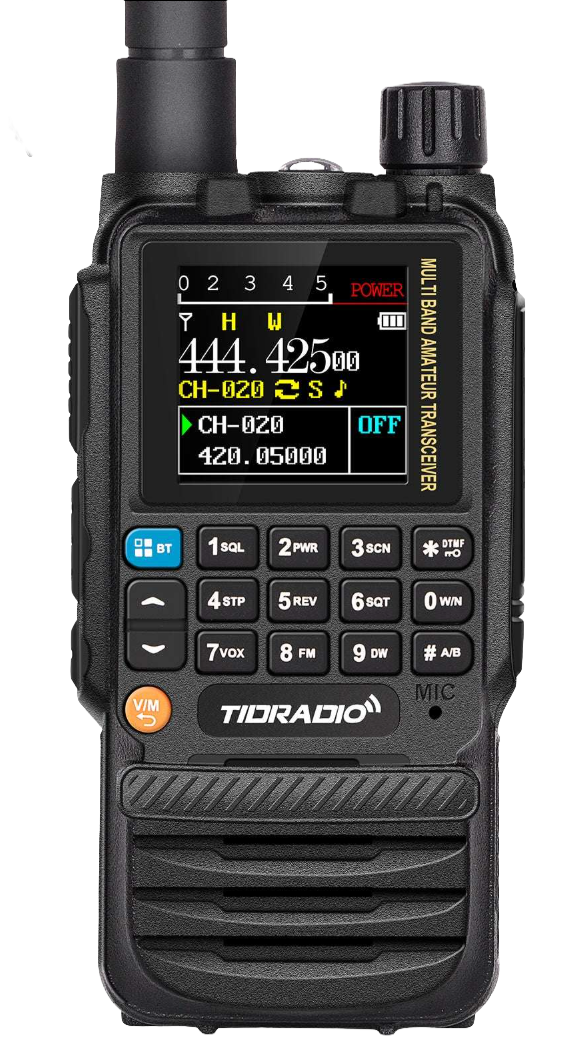
TIDRADIO TD-H3—my compact analog backup handheld.
Image courtesy of TIDRADIO.
Antennas
Because I operate from a 17th-floor apartment without access to an outdoor antenna, my station currently relies on a selection of handheld-radio antennas for local repeaters, simplex communication, APRS, and monitoring. I continue to compare different antennas with my BridgeCom, AnyTone, and TIDRADIO handhelds to learn how placement, orientation, and antenna design affect performance inside an urban building. As my station develops, I also plan to explore portable antenna options that can support field operation and emergency communications away from home.